ArticlesAnalysis
Did the U.S. go to war with Iran "because of Israel"? The shortcut that turns policy criticism into an old story
Netanyahu lobbied Trump. Other allies, advisers, and U.S. officials shaped the decision too. Why the viral "Israel made us do it" story is not analysis, and how it echoes older antisemitic war myths.
About 10 min read
The cleanest bad story in politics is always the same: your leaders did not choose. Someone else made them do it.
In the Iran war version, that someone is Israel, Netanyahu, "the lobby," or Jews with a different label. The claim is not just that Israeli leaders pushed for a policy. They did. The claim is that American leaders were basically puppets. That is the part that needs to be named.
TL;DR
You can oppose the Iran war. You can say Netanyahu wanted it. You can say Israeli officials lobbied hard. You can say AIPAC and pro-Israel politicians supported escalation. You can say the administration's public case was weak, shifting, or dangerous.
What you cannot do honestly is collapse lobbying into puppetry, treating Jewish or Israeli influence as uniquely sinister while erasing American decision-makers who had votes, ranks, and signatures.
The viral claim, in Rogan's words
Joe Rogan has criticized the war as a betrayal of Trump's anti-war pitch. In one April 2026 episode, covered by Mediaite, he said the timing did not make sense to him. Then he gave the guess that spread because it is simple:
"Why did we do it? I don't know. I think because of Israel, if I had to guess. It's the only thing that makes sense."
(Joe Rogan, quoted by Mediaite, April 2026)
Fox News quoted another Rogan formulation focused on Netanyahu's White House visits:
"Netanyahu kept visiting the White House. You think it's a coincidence Netanyahu keeps visiting the White House and then eventually they decide to give in and start bombing?"
(Joe Rogan, quoted by Fox News, April 2026)
That is politically understandable frustration. It is also a huge inferential leap. Visits are evidence of lobbying. Lobbying is not the same thing as control. "I don't know" should matter more than "because of Israel."
What the public reporting actually shows
The public record does not say Netanyahu was irrelevant. It says something more complicated and more useful: Netanyahu was one strong advocate among several actors, including other foreign leaders, U.S. advisers, Cabinet officials, intelligence agencies, and lawmakers who already had their own reasons to act or their own chances to object.
The Washington Post report syndicated by The Philadelphia Inquirer described a weeks-long lobbying effort by both Israel and Saudi Arabia. It reported that Crown Prince Mohammed bin Salman made multiple private calls to Trump arguing for an attack, while Netanyahu continued his public and private campaign. It also reported that Secretary of State Marco Rubio told lawmakers the timing and goals were shaped in part by the assessment that Israel was likely to strike whether or not the U.S. joined.
After the war began, the Associated Press reported that Gulf allies led by Saudi Arabia and the United Arab Emirates were privately urging Trump to keep fighting until Iran was more decisively weakened. Officials from Saudi Arabia, the UAE, Kuwait, and Bahrain had conveyed that they did not want the operation to end without major changes in Iranian leadership or behavior, while Oman and Qatar favored diplomacy. That is a messier map than "Netanyahu did it."
Reuters, in a separate account published by Military Times, reported that Netanyahu's argument was persuasive and may have helped catalyze Trump's final timing. But the same story also says the reporting "does not suggest that Netanyahu forced Trump to go to war." That sentence is the distinction this whole debate needs.
What reporting supports
Israel pushed. Gulf allies split between pressure and diplomacy. U.S. officials debated risk, timing, retaliation, and negotiations.
That is a messy coalition of interests around an American decision.
What the meme adds
Israel, Netanyahu, or Jews secretly drove America into war while U.S. leaders only performed obedience.
That is the puppet-master story, not the reporting.
Trump himself rejected the claim that Israel talked him into the war. Fox News quoted his Truth Social post: "Israel never talked me into the war with Iran, the results of Oct. 7th, added to my lifelong opinion that IRAN CAN NEVER HAVE A NUCLEAR WEAPON, did." You do not have to accept Trump's self-description as the whole truth to notice what it proves: he is claiming his own motive, not pleading helplessness.
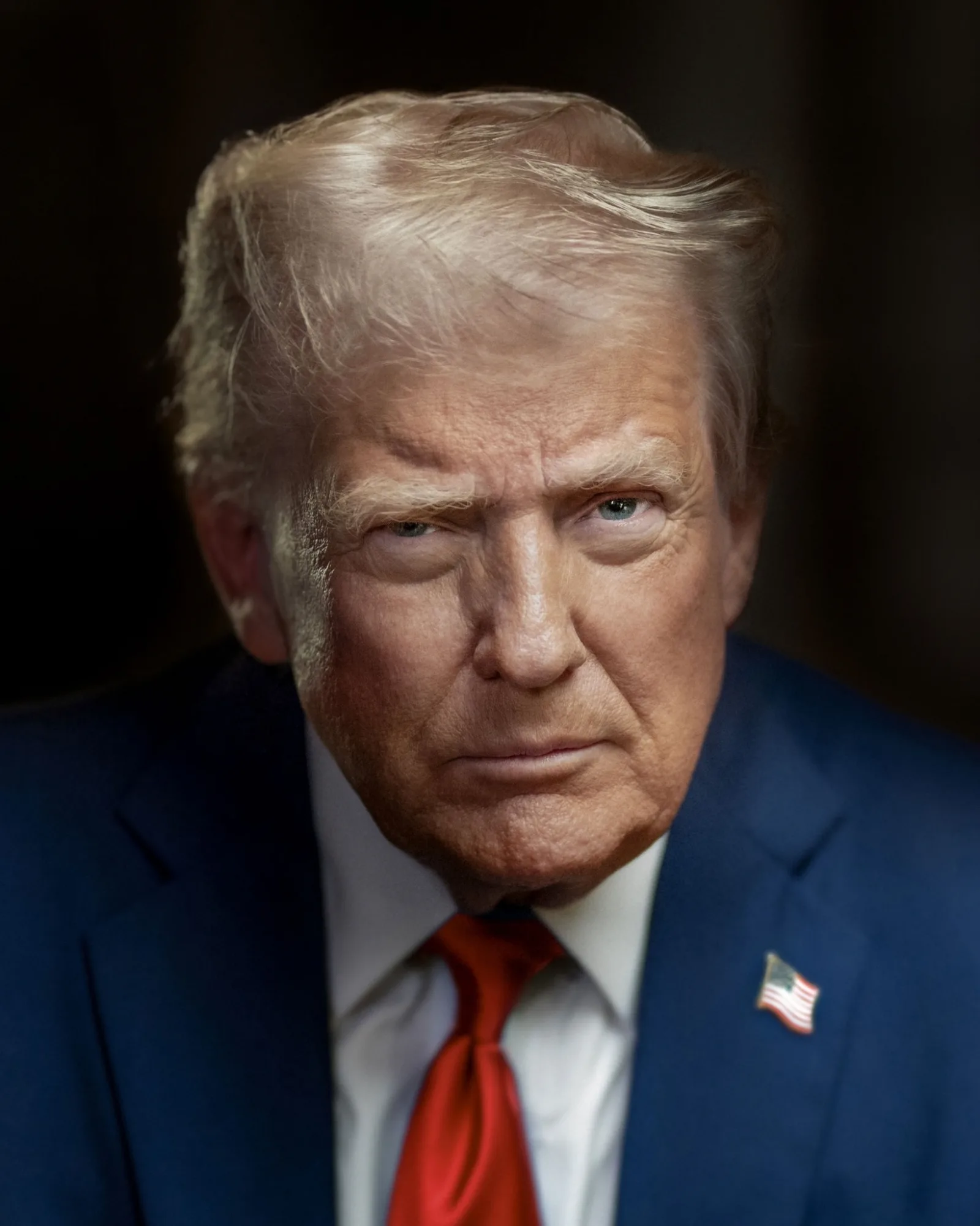
The president is not a cardboard cutout
The most insulting part of the "Israel made us do it" theory is not only what it says about Jews. It is what it says about America's own government. The president has constitutional command authority. Congress has war powers. Cabinet officials brief, argue, sign, leak, defend, and resign. Military officers plan. Agencies assess risk. Voters and donors apply pressure. None of that disappears because Netanyahu walks into the Oval Office.
The War Powers framework exists because when U.S. forces fight, accountability sits with U.S. institutions, not with whichever foreign leader visited the Oval Office last.
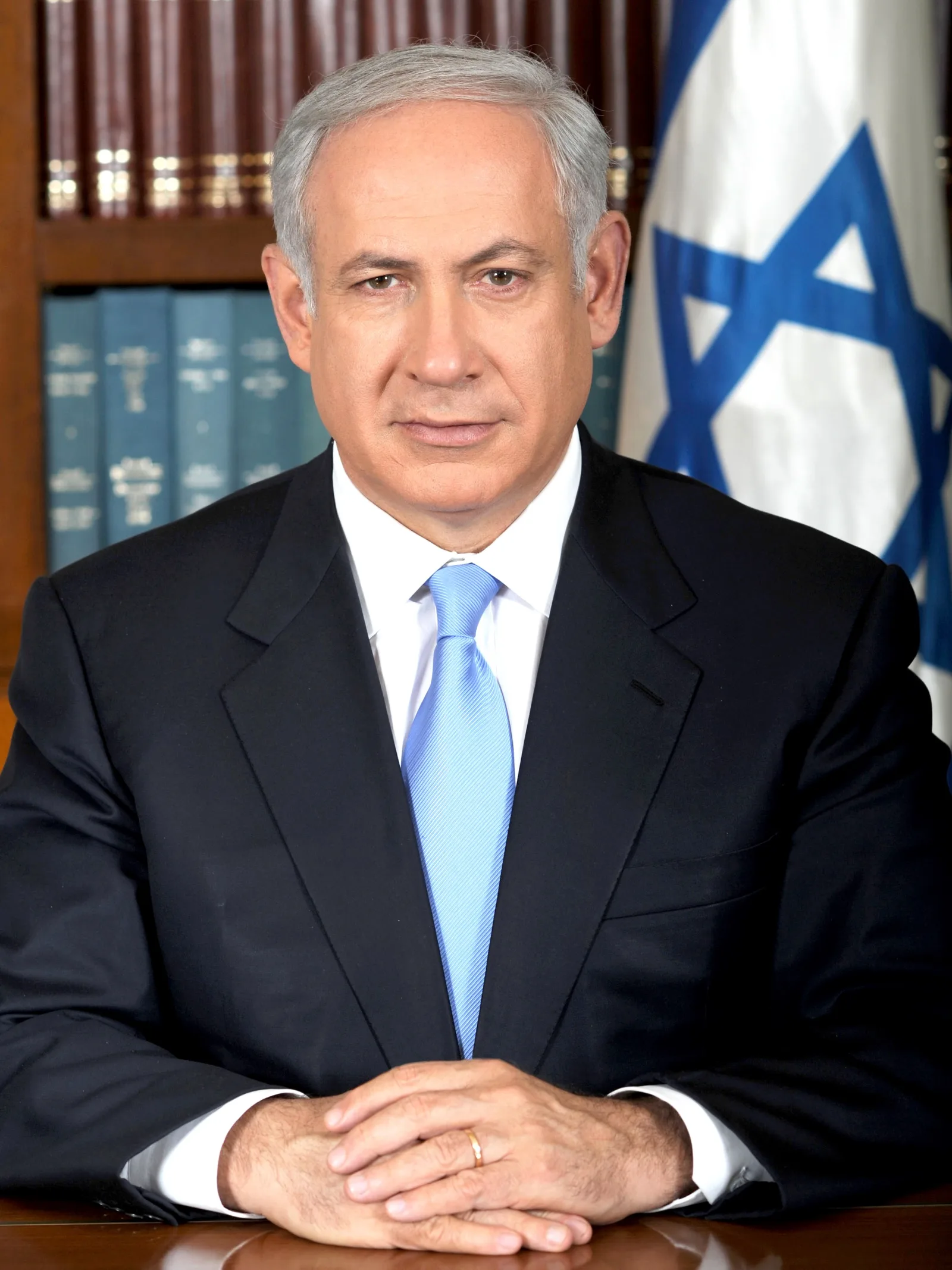
Foreign governments lobby. That is not a Jewish superpower.
Allies lobby Washington constantly. They hire firms, cultivate members of Congress, offer intelligence, threaten consequences, promise cooperation, flatter presidents, and leak to reporters. The U.S. even has a legal disclosure system for some of this: the Justice Department's Foreign Agents Registration Act page explains that certain agents of foreign principals engaged in political activities must disclose relationships, activities, receipts, and disbursements.
That does not mean every foreign-policy outcome is pure. It means influence is a normal object of democratic scrutiny. Saudi Arabia, Qatar, Turkey, the UAE, Ukraine, Taiwan, Armenia, Azerbaijan, India, Pakistan, and many others all seek advantage in Washington. Sometimes they succeed. Sometimes they fail. We usually call that lobbying, diplomacy, arms policy, or corruption. When the actor is Israel, the same lobbying often gets narrated as control.
Why the Israel-only story sticks
It sticks because it gives people a way to hate the war without indicting their own side. Trump supporters can keep the "real Trump" pure: he wanted peace, but Netanyahu tricked him. Anti-establishment commentators can explain the whole war with one familiar villain. Social media can turn a hard policy failure into a shareable moral cartoon.
The National Counterterrorism Center resignation letter by Joseph Kent is the clearest elite version of that move. It says:
"Iran posed no imminent threat to our nation, and it is clear that we started this war due to pressure from Israel and its powerful American lobby."
(Joseph Kent resignation letter, March 17, 2026)
Later, Kent writes:
"This was a lie and is the same tactic the Israelis used to draw us into the disastrous Iraq war that cost our nation the lives of thousands of our best men and women."
(Joseph Kent resignation letter, March 17, 2026)
And then he gives the emotional version:
"As a veteran who deployed to combat 11 times and as a Gold Star husband who lost my beloved wife Shannon in a war manufactured by Israel, I cannot support sending the next generation off to fight and die in a war that serves no benefit to the American people nor justifies the cost of American lives."
(Joseph Kent resignation letter, March 17, 2026)
That is not merely "I oppose Israeli policy." It is a complete causation story: Israel and its lobby deceive, America bleeds, Iraq repeats, personal grief proves the pattern. It is powerful because it is simple. It is dangerous because it turns a government's policy argument into collective blame.
The social-media version is cruder
On social media, the careful words fall away quickly. An archived Dan Bilzerian post shows the pattern: the post does not analyze U.S. command authority, Saudi lobbying, War Powers procedure, or Trump's own Iran views. It blames "jews" for pushing the world toward a third world war and folds the war into a "Greater Israel" land-theft conspiracy.
CyberWell reported that after the U.S.-Israel-Iran war began, antisemitic trends surged online, including amplification of "ZOG" claims that the U.S. government is controlled by Israel, dehumanizing language targeting Jews and Israelis, and Holocaust-justification rhetoric. That is the ecosystem this claim enters. It does not stay as a tidy policy debate for long.
Put responsibility on the people who exercised it
Good criticism of the Iran war does not need a puppet-master theory. It can be sharper without one. Ask concrete questions that put accountability where it belongs.
- What exact threat did the administration claim, and what public evidence supported it?
- Who authorized U.S. force, under which legal theory, and what did Congress do afterward?
- Which foreign governments pushed for escalation, and which pushed against it?
- Which U.S. officials argued for the operation, and which resigned or dissented?
- What did the war cost civilians, service members, regional allies, and U.S. credibility?
Those questions can condemn a war. They can condemn Netanyahu's advocacy. They can condemn Trump's judgment. They can condemn Saudi double-talk. They can condemn congressional cowardice. They do not require turning Jews into the secret engine of history.
Selected sources
Sources below are chosen for stable access and direct relevance: Rogan quotes, the Kent letter, reporting on Saudi and Israeli lobbying, U.S. war-powers context, foreign lobbying disclosure, and online antisemitism monitoring.
- Mediaite: Rogan on the Iran war and "because of Israel"Includes the direct quote used above.
- Internet Archive: same Mediaite articleStable fallback if Mediaite blocks direct access.
- Fox News: podcasters criticize Trump over Iran warIncludes Rogan on Netanyahu visits and White House response language.
- Washington Post via The Philadelphia Inquirer: Saudi and Israeli lobbying before the attackReports that Saudi Arabia and Israel both pushed Trump, with details on MBS calls and U.S. briefings.
- Associated Press: Gulf allies urge Trump to keep fighting IranReports broader Gulf pressure after the war began, including Saudi Arabia, UAE, Kuwait, Bahrain, Qatar, and Oman.
- Reuters via Military Times: Netanyahu argument before final Iran orderReports Netanyahu was an effective advocate while explicitly not saying he forced Trump to go to war.
- Fox News: Trump says Israel did not talk him into the Iran warSource for Trump's Truth Social denial quoted in the article.
- American Presidency Project: Joseph Kent NCTC resignation letterPrimary source for the quoted "powerful American lobby" and "manufactured by Israel" language.
- Congressional Research Service: The War Powers ResolutionExplains divided constitutional war powers and the 1973 framework.
- U.S. Department of Justice: Foreign Agents Registration ActOfficial explanation of disclosure rules for agents of foreign principals.
- CyberWell: antisemitic trends after the U.S.-Israel-Iran war beganMonitoring of ZOG claims, violent slogans, and Holocaust-justification rhetoric during the conflict.
- Old Story: Jews start warsOur explainer for the war-blame pattern.